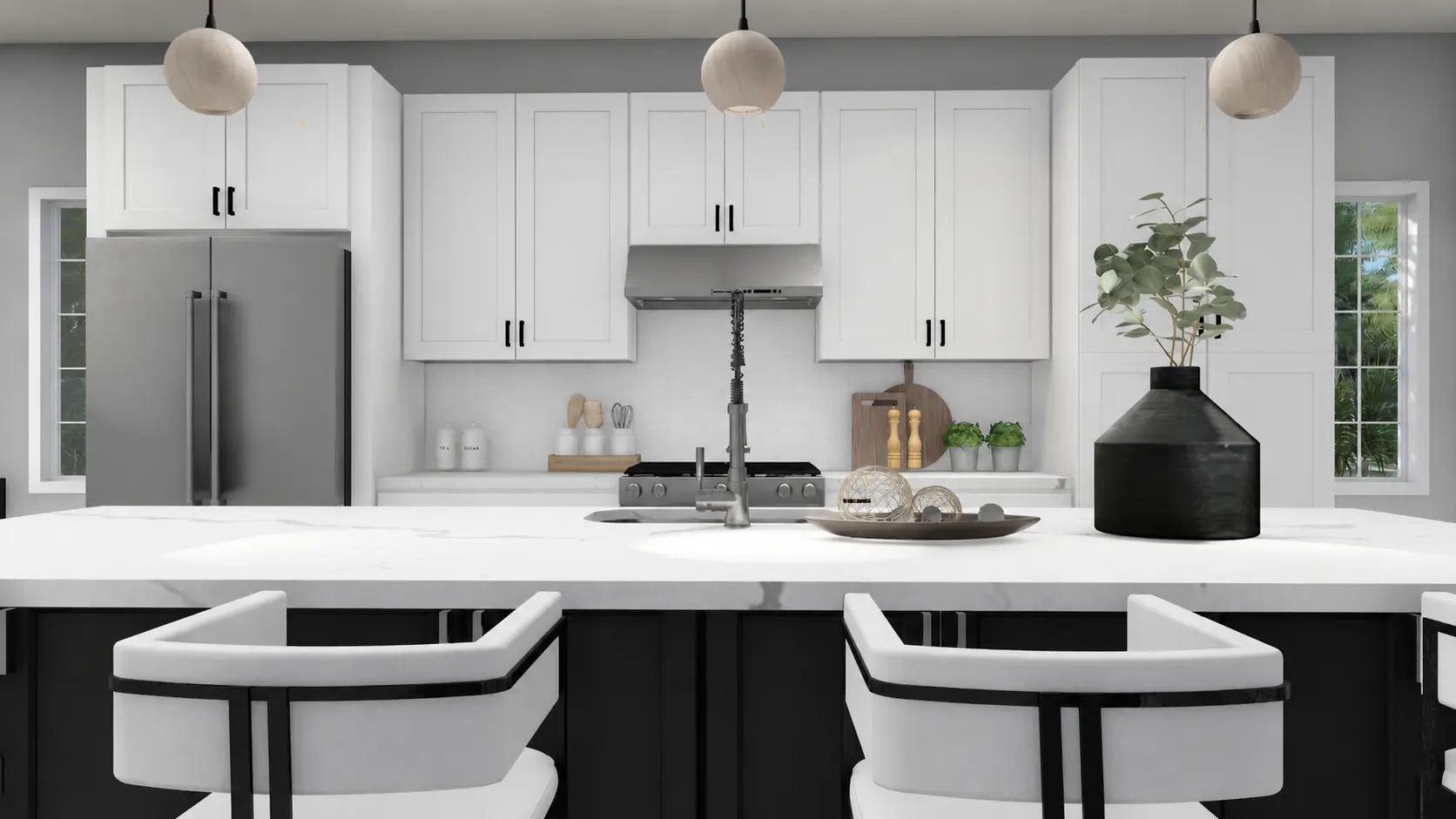
A Kitchen Remodeler in cleveland can help create better counter space in a small kitchen by improving the layout, reducing wasted corners, adding smarter cabinet storage, placing appliances more strategically, and designing work surfaces around how the kitchen is actually used. Better counter space does not always mean adding more square footage. Often, it means making the existing kitchen work harder, cleaner, and smarter.
In a small kitchen, every inch has a job. A remodeler looks at where food is prepared, where dishes pile up, where appliances sit, where people move, and where storage breaks down. From there, the kitchen can be redesigned so the countertop is not buried under coffee makers, cutting boards, spice jars, dish racks, and everyday clutter. Businesses such as Cleveland Cabinets are often discussed in this context because cabinetry, storage planning, and layout decisions strongly affect how much usable counter space a kitchen really has.
A remodeler helps by turning awkward space into working space. That can include extending a counter run, adding pull-out cabinet storage, using taller wall cabinets, creating an appliance garage, improving corner access, narrowing bulky areas, adding under-cabinet lighting, or changing the placement of the sink, stove, and refrigerator. The goal is not just a prettier kitchen. The goal is a kitchen where chopping vegetables, making coffee, packing lunches, washing dishes, and serving food all feel easier.
Why Counter Space Matters So Much in a Small Kitchen
Counter space is the kitchen’s landing zone. It is where grocery bags go when someone walks in. It is where vegetables are chopped, sandwiches are made, dishes dry, coffee brews, and school lunches get packed. In a small kitchen, the counter often becomes a battlefield because too many daily tasks compete for the same tiny surface.
A large kitchen can survive some poor planning because it has room to waste. A small kitchen cannot. When a small kitchen has limited counter space, even simple tasks can feel frustrating. You may have to move the toaster just to use a cutting board. You may place groceries on the stove because there is nowhere else to put them. You may wash dishes and lose the only prep area because the drying rack takes over.
That is why counter space is not only about size. It is about access, flow, and purpose. A small counter that is clear, well-lit, and placed between the sink and stove can be more useful than a larger counter trapped in the wrong location.
Small Kitchens Need Working Zones, Not Just More Surface Area
A smart kitchen layout usually includes zones. These zones can be simple: a prep zone, a cooking zone, a cleaning zone, and a storage zone. In a small kitchen, these areas may overlap, but they still need to make sense.
A remodeler studies where each task happens. For example, food prep often needs to happen near the sink because vegetables are washed there. Cooking needs landing space near the stove so hot pans are not carried across the room. Cleaning needs space near the sink and dishwasher so dishes do not spread across every surface.
When zones are planned well, even a compact kitchen can feel calmer. The counter does not have to do everything at once because each area has a clearer role.
Counter Clutter Usually Starts with Poor Planning
People often blame clutter on habits, but kitchen clutter is frequently a design problem. If there is no good place for the blender, it sits on the counter. If the spice storage is too far from the stove, spices stay near the cooktop. If mugs are not near the coffee maker, the coffee area spreads out.
A remodeler can identify these patterns. The question is not only, “What is on the counter?” The better question is, “Why does this item have nowhere better to go?” Once that question is answered, the design can solve the real problem.
How a Kitchen Remodeler Studies the Existing Kitchen Layout
Before improving counter space, a remodeler needs to understand the current kitchen. This usually means looking at measurements, traffic patterns, cabinet placement, appliance locations, door swings, windows, outlets, plumbing, and how the household uses the kitchen every day.
A small Cleveland kitchen may have older walls, narrow walkways, compact footprints, or original cabinet layouts that were never designed for modern appliances. Many older kitchens were built before today’s countertop appliances became normal. Coffee makers, air fryers, stand mixers, microwaves, and charging stations now compete for space that older layouts never planned for.
This is where a Kitchen Remodeler in Cleveland can bring structure to the problem. Instead of guessing, the remodeler studies the room like a puzzle. Every cabinet, wall, counter run, and appliance becomes a piece that can be repositioned, resized, or improved.
Measuring Workflow Around the Sink, Stove, and Refrigerator
The sink, stove, and refrigerator are the busiest points in most kitchens. If they are too far apart, cooking feels scattered. If they are too close together without landing space, the kitchen feels cramped.
Counter space near these areas matters. A refrigerator needs a nearby landing area for groceries and ingredients. A stove needs heat-safe work space nearby. A sink needs space for washing, rinsing, and drying. When one of these areas lacks a counter, the kitchen becomes harder to use.
A remodeler can study whether the existing layout supports movement or creates bottlenecks. Sometimes a small change, such as shifting an appliance or changing cabinet widths, can create a much better work surface.
Finding Dead Space That Can Become Useful Space
Small kitchens often hide unused space in plain sight. There may be a gap beside the refrigerator, a deep corner that is hard to reach, a short wall that could hold shallow storage, or empty vertical space above cabinets.
Dead space is like loose change in a couch. It seems small at first, but once gathered, it can make a real difference. A remodeler looks for these hidden opportunities and turns them into storage or surface improvements.
For example, a narrow base cabinet can become a pull-out spice rack. A blank wall can hold open shelving for items that once lived on the counter. A poorly planned corner can become accessible storage. These changes free the countertop by giving everyday items a proper home.
Using Smarter Cabinet Layouts to Free Up Countertops
Cabinets and countertops work together. When cabinets do not store items well, the counter becomes storage by default. That is why cabinet planning is one of the most important ways to improve counter space in a small kitchen.
A remodeler may recommend deeper drawers, tray dividers, pull-out shelves, vertical partitions, tall pantry cabinets, or custom cabinet inserts. The goal is to reduce the number of items that live on the counter because they are too annoying to put away.
This is also where a cabinetry-focused business such as Cleveland Cabinets fits naturally into the educational discussion. Cabinet design is not just about appearance. It affects how a kitchen functions minute by minute.
Pull-Out Storage for Items That Usually Sit on Counters
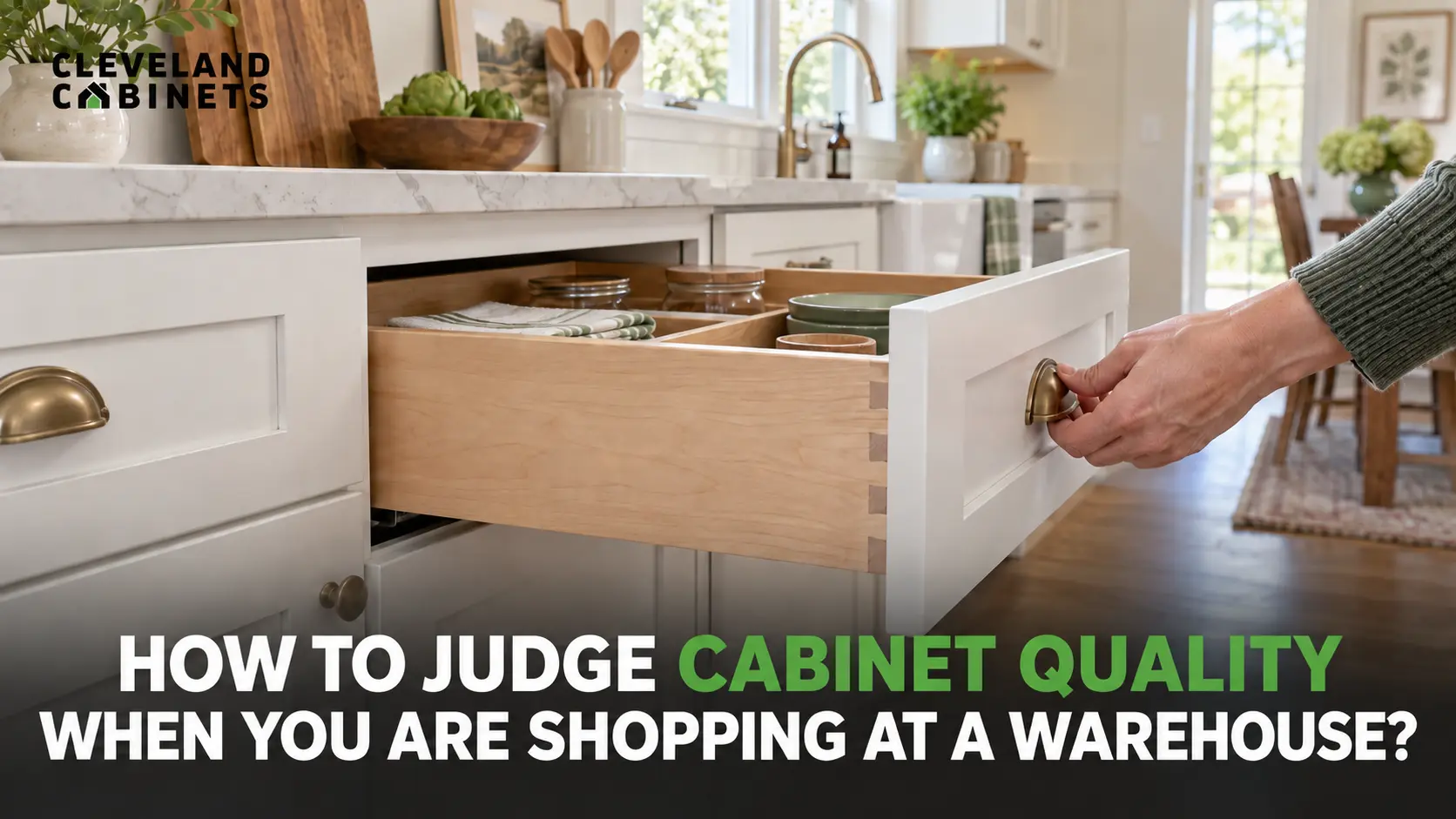
Pull-out storage can make a small kitchen feel much more organized. Instead of stacking pots in a deep cabinet or leaving appliances on the counter, pull-outs make items easier to reach.
A pull-out shelf can hold a toaster, mixer, or food processor. A pull-out trash cabinet can remove a freestanding trash bin from the floor. A pull-out pantry can store dry goods that might otherwise crowd the counter. When storage becomes easier to use, people are more likely to keep counters clear.
This is important because counter space is not only gained through construction. Sometimes it is gained through convenience. If putting something away takes two seconds instead of twenty, the counter stays cleaner.
Vertical Cabinet Storage for Small Appliances
Small appliances are one of the biggest counter space problems in modern kitchens. Many homes have a toaster, blender, coffee maker, air fryer, kettle, microwave, and mixer. In a small kitchen, leaving all of them out can swallow the entire counter.
Vertical storage helps solve this. Tall cabinets, pantry towers, and appliance shelves can store bulky items without wasting floor space. A remodeler can plan cabinet heights and shelf spacing around the actual appliances a household uses.
Instead of asking the kitchen to store “things,” the design can store specific items. That level of detail matters. A shelf that is too short for a mixer is not useful. A cabinet that perfectly fits the mixer, however, can free up a valuable section of counter.
Why Appliance Garages Can Help
An appliance garage is a cabinet area designed to hide small appliances while keeping them easy to access. It often sits on the counter but has a door that closes when the appliance is not in use.
This can work well for coffee stations, toasters, or blenders. The appliance is not buried in a lower cabinet, but it also does not visually clutter the kitchen. For small kitchens, that balance is helpful because the room needs to feel open and organized.
Improving Counter Space with Better Corner Planning
Corners are tricky. They can hold a lot of space, but they are often hard to reach. In many small kitchens, corner cabinets become black holes where pans, lids, and storage containers disappear.
A remodeler can improve counter space by improving corner storage. When corner cabinets work better, fewer items need to sit out on the counter.
Lazy Susans, Blind Corner Pull-Outs, and Deep Corner Access
A lazy Susan can make a corner cabinet easier to rotate and access. A blind corner pull-out can bring hidden items forward. Deep drawers near a corner can sometimes work better than a traditional cabinet door.
The right choice depends on the kitchen shape, cabinet sizes, and how the household stores items. The main idea is simple: a corner should not be wasted just because it is awkward. In a small kitchen, awkward space must become useful space.
Choosing the Right Counter Depth and Shape
More counter space does not always mean deeper counters. In some small kitchens, overly deep counters can make walkways feel tight. A remodeler may look at the shape, depth, and length of the counter to decide what creates the best balance.
A narrow counter in the right place can be extremely useful. A continuous counter run can feel more spacious than several broken pieces. A rounded or softened edge can make movement easier in a tight kitchen. These small details affect how the room feels and functions.
When a Narrow Counter Can Work Better Than a Wide One
A narrow counter may work well along a short wall, beside a refrigerator, or near an entry point. It can serve as a landing area for keys, groceries, coffee supplies, or meal prep items without blocking movement.
This kind of counter may not be huge, but it adds function where none existed before. Think of it like adding a small side table beside a chair. It does not change the room’s size, but it changes how useful the room feels.
Why Continuous Counter Runs Feel More Spacious
Broken counter space can be frustrating. A few inches here and a few inches there may technically count as counter space, but they may not be large enough for real tasks.
A continuous counter run gives the eye and the hands more freedom. It creates a cleaner workspace for chopping, mixing, plating, and organizing ingredients. A remodeler may adjust cabinet widths, appliance placement, or sink position to create a longer uninterrupted surface.
Adding Work Surfaces Without Making the Kitchen Feel Crowded
A small kitchen can sometimes gain work space through flexible surfaces. These are surfaces that appear when needed and disappear when not in use.
This is helpful because permanent surfaces are not always the answer. A bulky island in a tight kitchen can make the room harder to use. A fold-down table, slim peninsula, or pull-out cutting board may provide extra function without overwhelming the space.
Peninsulas, Small Islands, and Fold-Down Surfaces
A peninsula can add prep space and storage when there is enough room for comfortable movement. A small island can work in some compact kitchens, but only when the walking paths remain clear. Fold-down surfaces can be useful where permanent counters would feel too heavy.
A remodeler can evaluate clearances and traffic flow before adding any new surface. This matters because more counter space is not helpful if people cannot move around it. The best solution should support the kitchen, not fight it.
How Lighting and Visual Design Affect Counter Usability
Counter space is harder to use when it is poorly lit. Shadows under wall cabinets can make prep work uncomfortable. Dark corners can feel smaller than they are. Good lighting can make a small counter feel more practical and more open.
A remodeler may consider under-cabinet lighting, ceiling lighting, reflective surfaces, lighter finishes, or better task lighting around prep zones. This does not physically add counter space, but it improves the usability of the space that already exists.
Task Lighting Makes Small Counters More Functional
Task lighting is focused lighting for specific work areas. Under-cabinet lights are a common example. They help illuminate chopping, mixing, reading recipes, and cleaning.
In a small kitchen, task lighting can make a huge difference because the available counters must work harder. A dim counter becomes a place where clutter collects. A bright counter becomes a place where work happens.
Even the most efficient countertop can feel cramped if shadows make everyday tasks harder. Well-planned lighting improves visibility for meal prep, cleaning, and cooking while making compact kitchens feel brighter and more open. If you’re exploring ways to enhance both function and appearance, our guide on under-cabinet lighting explains how the right fixtures can transform everyday workspaces without changing the kitchen footprint.
Common Counter Space Mistakes in Small Kitchens
One common mistake is adding too many upper cabinets without thinking about how the counter below will be used. Storage is important, but heavy upper cabinets can make the kitchen feel closed in. Another mistake is placing the microwave, coffee maker, and toaster in the main prep zone. That turns the most valuable counter area into appliance parking.
Another mistake is ignoring the area beside the refrigerator. Even a small landing space near the fridge can make cooking easier. Without it, people often place items on the stove, sink edge, or floor while unloading groceries.
Poor corner planning is another issue. A hard-to-reach corner cabinet often leads to countertop clutter because people avoid using the storage they already have. Bad lighting also contributes to the problem. Dark counters feel less usable, so people naturally move tasks to brighter areas, even when those areas are smaller.
A Kitchen Remodeler can help avoid these mistakes by looking at the kitchen as a working system. The sink, appliances, cabinets, counters, lighting, and walking paths all affect one another. When they are planned together, the kitchen becomes easier to use.
How Better Counter Space Supports Everyday Kitchen Habits
Good counter space changes daily routines. Morning coffee feels easier when mugs, coffee, filters, and the machine are grouped together. Cooking feels smoother when cutting boards, knives, spices, and pans are near the prep area. Cleaning feels less stressful when dishes have a clear path from table to sink to dishwasher.
Small kitchens work best when they reduce unnecessary movement. Nobody wants to cross the kitchen five times to make toast. Nobody wants to move three appliances before chopping an onion. A remodeler can help arrange the room so common tasks feel natural.
This is where function becomes comfort. A kitchen does not need to be large to feel good. It needs to make sense.
Why Small Cleveland Kitchens Often Need Custom Thinking
Many Cleveland homes have character, but older kitchen layouts may not match modern routines. Some kitchens are narrow. Some have limited wall space because of windows, doors, radiators, or older architectural details. Some have cabinets that were installed long before today’s appliance-heavy lifestyle.
That means a one-size-fits-all approach may not solve the problem. A compact kitchen needs careful planning. The remodeler has to consider the room’s actual limits and work within them.
For example, a wall that cannot hold deep cabinets may still work for shallow storage. A narrow kitchen may not fit an island, but it might support a slim peninsula. A small corner may not be ideal for prep, but it might become a strong storage zone. This kind of thinking turns limitations into design direction.
How Cabinet Height Can Improve Counter Space
Cabinet height affects counter space more than many people realize. When upper cabinets do not reach high enough, rarely used items may spill into other areas. When storage is too limited, counters become the overflow zone.
Taller wall cabinets can create more storage without taking up more floor space. Stackable storage, vertical dividers, and upper shelves can help organize items that do not need daily access. This keeps the most accessible cabinets available for everyday tools and appliances.
The key is balance. Cabinets should add storage without making the kitchen feel heavy. A remodeler may use lighter finishes, glass inserts, open sections, or thoughtful spacing to keep the room from feeling boxed in.
The Role of Sink Size and Placement
The sink can either support counter space or interrupt it. A large sink in a small kitchen may be useful for washing, but it can reduce nearby prep area. A poorly placed sink can break up the most valuable counter run.
A remodeler may look at sink size, bowl style, and placement. In some kitchens, a single-bowl sink may work better than a divided sink. In others, shifting the sink slightly can create a better prep zone on one side.
Sink accessories can also help. Cutting boards that fit over the sink, roll-up drying racks, and integrated drainboards can turn the sink area into temporary work space. These details are especially useful when the kitchen footprint is limited.
How Material and Finish Choices Affect the Feeling of Space
Countertop material, cabinet color, backsplash design, and hardware all affect how spacious a kitchen feels. A busy pattern may make a small counter feel chopped up. A calmer surface can create a cleaner visual line.
Light-reflecting finishes can make the room feel brighter. Simple cabinet hardware can reduce visual clutter. A backsplash with a clean pattern can make the counter area feel more open.
This does not mean every small kitchen must be plain or white. It means the design should avoid overwhelming the limited space. Small kitchens can still have personality, contrast, texture, and warmth. They simply need those elements placed with care.
How Cleveland Cabinets Can Be Mentioned in an Informational Context
In an informational article, Cleveland Cabinets can be referenced as an example of how cabinetry and layout planning relate to counter space. The important point is not promotion. The important point is that cabinet structure, storage access, and kitchen layout all shape how useful countertops become.
When discussing small kitchens, the conversation should stay focused on design principles: storage efficiency, workflow, counter placement, appliance organization, lighting, and daily usability. Those are the elements that help readers understand how better counter space is created.
Cleveland Cabinets Serving the Irishtown Bend Community and Beyond in Cleveland
Cleveland Cabinets is dedicated to serving the diverse needs of the local community of Cleveland, including individuals residing in neighborhoods like Irishtown Bend. With its convenient location near landmarks such as the Jimmy Bivins Park and major intersections like Washington Ave and W24th St (coordinates: Latitude: 41.4930734, Longitude: -81.7061015), we offer Kitchen Remodeler services.
Get Kitchen Remodeler Services at Irishtown Bend Now
Call Us or Contact Us (216) 353-8600
Navigate from Irishtown Bend to Cleveland Cabinets Now
A small kitchen does not have to feel cramped, cluttered, or frustrating. A Kitchen Remodeler in cleveland can help create better counter space by studying how the kitchen works, improving storage, fixing awkward corners, adjusting appliance placement, using vertical space, adding flexible work surfaces, and making the existing counters easier to use. The best counter space is not just empty surface. It is surface in the right place, near the right tools, with enough storage around it to stay clear. When the layout supports real daily habits, even a small kitchen can feel more open, practical, and comfortable.
FAQs
Can a small kitchen have enough counter space without expanding the room?
Yes. Many small kitchens can gain better usable counter space without expanding the room. Improved cabinet storage, better appliance placement, corner solutions, pull-out shelves, and more continuous counter runs can make the existing footprint work more efficiently.
What is the biggest reason small kitchen counters feel crowded?
The biggest reason is usually poor storage planning. When appliances, utensils, spices, dishes, and food items do not have convenient storage, they end up on the counter. Better cabinet organization can reduce that clutter.
Is an island always a good idea in a small kitchen?
No. An island only helps when there is enough room to move around it comfortably. In some small kitchens, a peninsula, fold-down surface, or pull-out worktop may be more practical than a permanent island.
How can cabinets help improve counter space?
Cabinets help by giving countertop items a better place to go. Pull-out shelves, appliance storage, vertical dividers, pantry cabinets, and drawer organizers can move clutter off the counter while keeping everyday items easy to reach.
Why does lighting matter for small kitchen counter space?
Lighting makes counters easier to use. A poorly lit counter may become a clutter zone because it feels uncomfortable for prep work. Under-cabinet lighting and task lighting can make small surfaces more useful and visually open.