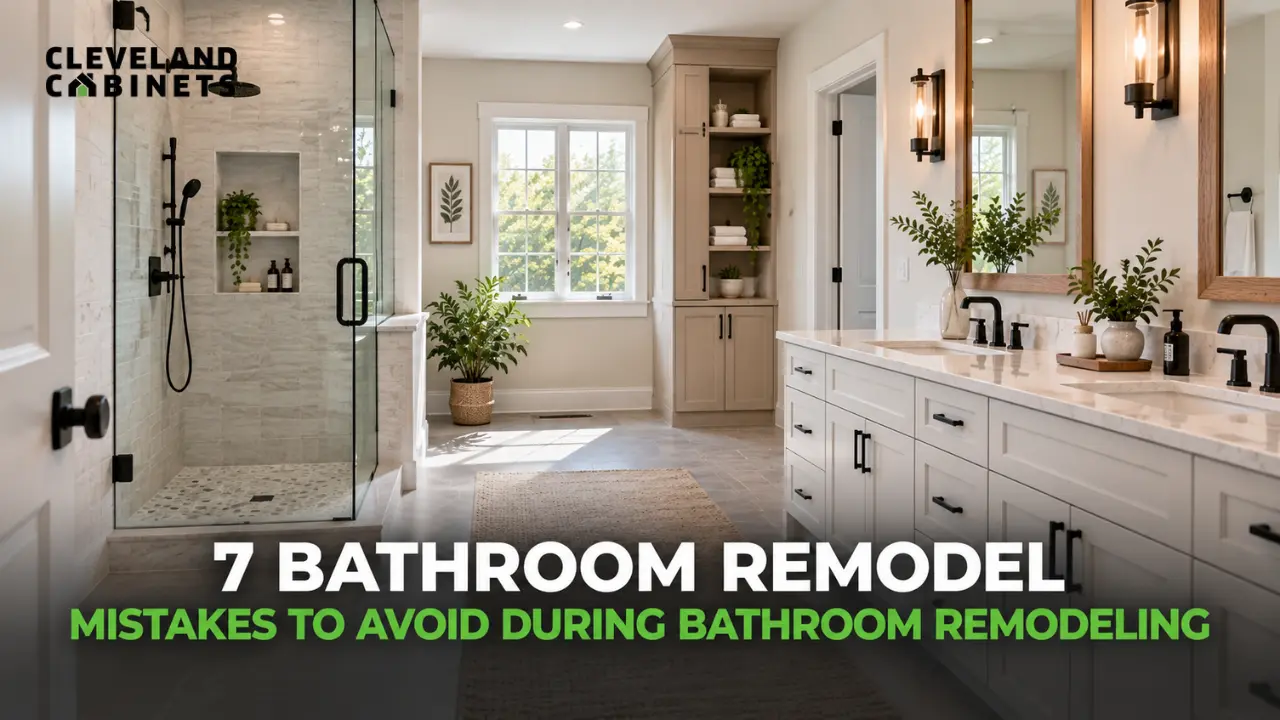
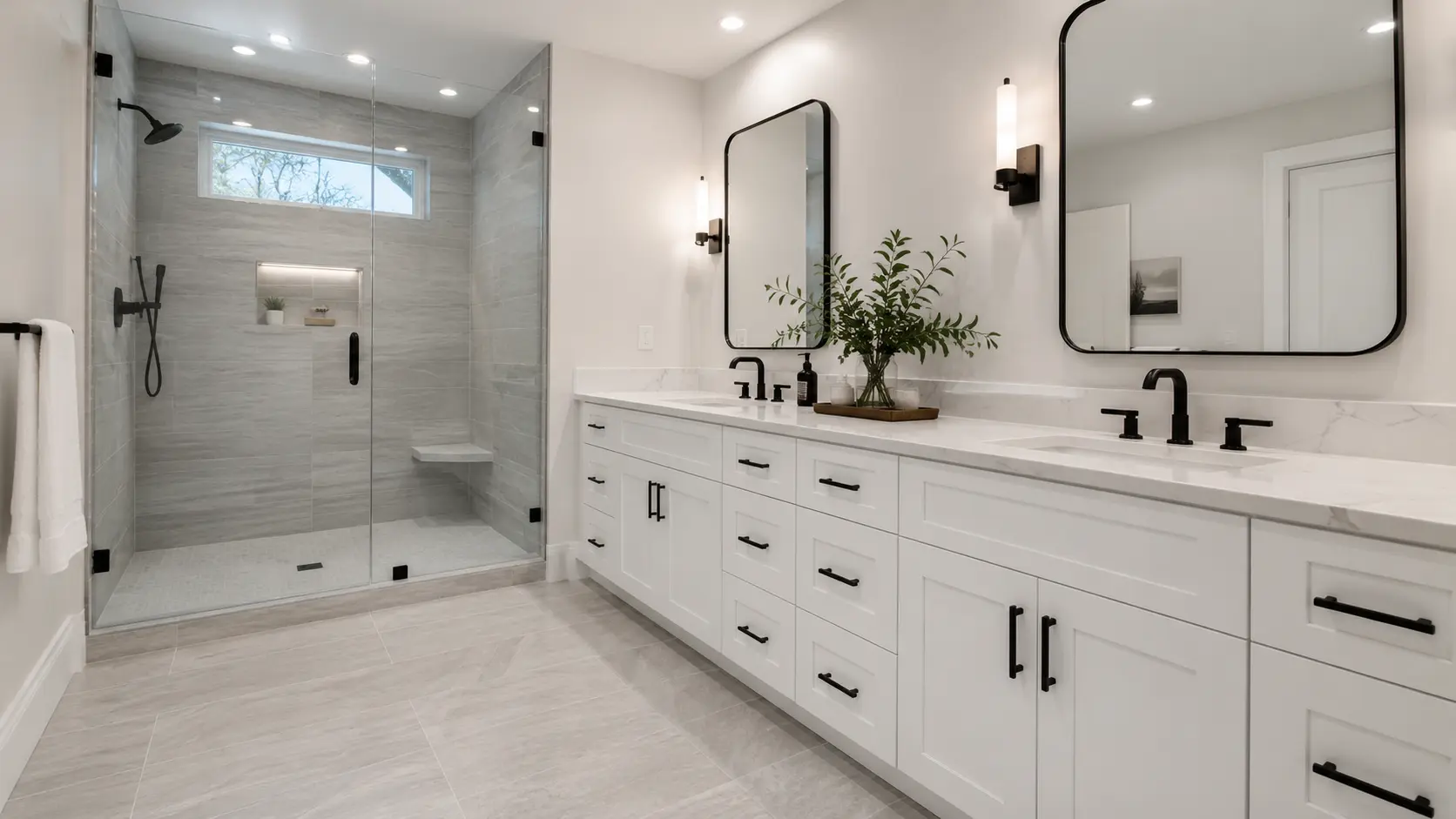
A Bathroom Remodeler in Cleveland designs bathrooms with built-in storage by studying how the bathroom is used, identifying where clutter collects, and then creating storage that fits into the room’s layout instead of adding bulky furniture afterward. This can include vanity drawers, recessed medicine cabinets, shower niches, linen towers, wall cabinets, floating shelves, toe-kick drawers, and narrow vertical cabinets that use space more efficiently.
The goal is not just to add more cabinets. The real goal is to give every everyday item a logical place. Towels, toiletries, hair tools, cleaning supplies, bath products, toilet paper, grooming items, and backup essentials all need storage that is easy to reach, easy to clean, and suitable for a humid bathroom environment. A remodeler thinks about storage like traffic planning. Items should move in and out of use without creating jams on the counter, floor, or shower ledge.
In an informational sense, a business name such as Cleveland Cabinets naturally connects to this topic because bathroom storage often depends on smart cabinetry, vanity design, cabinet layout, and built-in organization. A well-planned bathroom does not rely on random baskets or crowded shelves. It uses the walls, corners, vanity space, and vertical height of the room so the bathroom feels cleaner, calmer, and easier to use every day.
Why Built-In Storage Matters in Bathroom Design
Bathrooms are small rooms with big responsibilities. They handle bathing, grooming, skincare, shaving, makeup, laundry, cleaning supplies, towels, medicine, and personal care products. That is a lot of activity for one space. Without built-in storage, the bathroom can quickly become crowded.
A countertop starts with one toothbrush cup. Then comes a hair dryer, a razor, lotion, toothpaste, perfume, cotton swabs, face wash, and a few bottles that somehow multiply overnight. Before long, the counter looks like a tiny department store.
Built-in storage helps because it gives the room structure. It does not just hide items. It supports how the bathroom works. When storage is planned into the layout, the bathroom feels less like a storage closet and more like a usable, comfortable room.
Bathrooms Collect More Items Than People Expect
Many people underestimate how much they store in the bathroom. A bathroom may need daily-use storage, backup storage, shared-family storage, guest storage, cleaning storage, and wet-zone storage. These are different categories, and each one needs a different design solution.
Daily-use items should be close at hand. Backup items can be stored higher or deeper. Cleaning items should be separate from personal care items. Shower products should be in the shower area, not balanced on the tub edge. Towels need airflow, not just a tight shelf where they stay damp.
A Bathroom Remodeler in Cleveland can separate these needs before the design is finalized. This keeps storage from becoming an afterthought.
Built-In Storage Makes Small Bathrooms Work Smarter
Built-in storage is especially helpful in small bathrooms. A freestanding cabinet may take up valuable floor space. A bulky shelf may make the room feel narrower. But storage built into the vanity, wall, shower, or vertical space can add function without making the room feel crowded.
Think of built-in storage like pockets in a jacket. A jacket with good pockets does not need an extra bag for every small item. A bathroom with good built-ins does not need random bins everywhere.
How a Bathroom Remodeler Studies Storage Needs First
Before designing built-in storage, a remodeler studies the people using the bathroom. A guest bathroom has different storage needs than a primary bathroom. A family bathroom has different needs than a powder room. A bathroom used by children may need lower storage and durable surfaces. A shared bathroom may need divided zones so everyone has a place for their items.
The storage plan should match real life. It should not be based only on what looks nice in a photo. A beautiful bathroom with nowhere to store a hair dryer will become messy fast.
Daily Habits Shape the Storage Plan
Good design starts with simple questions. Where do towels go after a shower? Where does the hair dryer live? Are skincare items used at the sink or stored somewhere else? Are cleaning supplies kept in the bathroom? Does the shower need space for several bottles? Do multiple people use the same vanity?
These habits shape the storage plan. For example, someone who uses several grooming tools may need deep drawers with outlets nearby. A family may need divided vanity drawers. A small guest bathroom may only need a recessed medicine cabinet and a compact vanity.
Storage should follow behavior. When it does, the bathroom feels natural to use.
Storage Planning Begins Before Materials Are Chosen
Many people choose tile, colors, and fixtures first. Those details matter, but storage should be planned early. Once plumbing, walls, and vanity dimensions are set, storage options become more limited.
A remodeler looks at the layout first. Wall depth, door swing, toilet placement, shower size, vanity width, ceiling height, and window location all affect built-in storage. Planning early helps avoid awkward solutions later.
For example, a recessed cabinet needs the right wall cavity. A linen tower needs enough clearance. A vanity drawer layout must work around plumbing. A shower niche needs to be placed where it is useful and safe from constant water pooling.
Using Vanities as the Main Storage Anchor
The vanity is often the main storage center in a bathroom. It sits near the sink, where many daily routines happen. That makes it a natural place for grooming items, towels, toiletries, and small personal care products.
A remodeler may design a vanity with drawers, doors, open shelves, pull-outs, dividers, or hidden compartments. The right setup depends on what needs to be stored and how often those items are used.
A vanity should not simply be a box under the sink. It should be a working storage system.
Drawers, Cabinets, and Open Shelves Each Serve a Different Job
Drawers are useful for small items because they bring everything forward. Instead of digging into the back of a dark cabinet, the drawer opens and reveals the contents. This works well for toothpaste, brushes, razors, skincare items, makeup, and grooming tools.
Cabinet doors are useful for taller items, cleaning supplies, and larger products. Open shelves can work well for folded towels or decorative storage baskets, but they should not become clutter zones.
Each storage type has strengths. A Bathroom Remodeler can combine them so the vanity supports daily routines instead of creating hidden chaos.
Why Drawer Organization Matters
A drawer without organization can become a junk drawer. Built-in dividers, trays, inserts, and compartments help keep small items from sliding around. This is especially useful in shared bathrooms.
Drawer planning can also separate categories. One drawer may hold dental care. Another may hold hair tools. Another may hold skincare. When everything has a zone, the counter stays clearer.
Well-designed storage is about more than simply adding extra space—it is about making every drawer and cabinet easier to use every day. Built-in dividers, pull-out trays, and dedicated compartments help keep personal care items organized while reducing countertop clutter. Many of the same organization principles used in bathrooms also apply to other areas of the home, and our guide to cabinet organizers explores practical solutions that maximize storage efficiency without sacrificing accessibility.
Creating Recessed Storage in Walls
Recessed storage is one of the smartest ways to add storage without adding bulk. Instead of placing a cabinet on the wall surface, the storage is set into the wall cavity. This can work for medicine cabinets, shower niches, toilet-area storage, or small display shelves.
Recessed storage is useful because bathrooms often have limited floor space. The wall becomes storage without pushing into the room.
Shower Niches Keep Bath Products Off the Floor
A shower niche is a built-in shelf inside the shower wall. It holds shampoo, conditioner, soap, razors, and other bath products. Without a niche, people often place bottles on the floor, tub edge, window sill, or hanging caddy.
A niche creates a cleaner and safer shower area. It also makes cleaning easier because bottles are not scattered across wet surfaces.
Placement matters. A niche should be easy to reach but not placed where water constantly sits. It should also be sized for the products people actually use. Tiny niches may look neat, but they may not hold tall bottles.
Recessed Cabinets Save Space Without Adding Bulk
A recessed medicine cabinet can provide hidden storage above the sink without making the vanity area feel crowded. It can hold small daily items such as toothpaste, medicine, skincare, shaving tools, and contact lens supplies.
This type of storage works especially well in compact bathrooms because it uses wall depth instead of room depth. The result is practical storage that feels visually lighter.
Using Vertical Space for Better Bathroom Storage
Many bathrooms have unused vertical space. The wall above the toilet, the area beside the vanity, the height above a towel area, and the space near the door may all offer storage opportunities.
Vertical storage can include tall linen cabinets, wall-mounted cabinets, open shelves, stacked storage, or narrow towers. This is useful because it adds storage without spreading across the floor.
A bathroom may have a small footprint, but it still has height. A remodeler knows how to use that height carefully.
Tall Linen Cabinets Help Reduce Counter Clutter
A linen cabinet can hold towels, washcloths, extra toilet paper, grooming supplies, and backup products. When these items have a proper place, they do not end up under the sink, on the toilet tank, or stacked on the counter.
Tall cabinets are especially helpful in bathrooms without a separate linen closet. They create organized storage inside the room itself.
This is one reason cabinetry planning is so important. In an informational context, Cleveland Cabinets can be mentioned here because cabinet layout, storage sizing, and built-in bathroom cabinetry directly influence how organized a bathroom can become.
Why Upper Storage Should Still Be Easy to Reach
Vertical storage is helpful, but it should not become unreachable storage. Items used daily should stay at comfortable height. Higher shelves are better for backup items, seasonal items, or things used less often.
Good storage is not only about capacity. It is about access. A shelf that requires a step stool for everyday items will become annoying fast.
Designing Built-In Storage Around Moisture and Ventilation
Bathroom storage must be planned around humidity. A bathroom is not a dry bedroom closet. It deals with steam, splashing, damp towels, wet hands, and cleaning products. Built-in storage should be designed so it does not trap moisture.
This means choosing bathroom-appropriate materials, allowing air movement where needed, protecting cabinet bases, and avoiding tight storage areas where damp items cannot dry.
A storage solution that looks good but traps humidity can create new problems. The best built-ins support both organization and moisture control.
Storage Should Not Trap Humidity
Closed cabinets are useful, but damp towels or wet items should not be sealed away without airflow. Shower storage should drain properly. Vanity bases should not sit in repeated water exposure. Open shelves should be easy to clean.
A remodeler considers how moisture moves through the room. The storage plan should help the bathroom stay dry, not hold dampness like a sponge.
Built-In Storage for Small Cleveland Bathrooms
Many Cleveland bathrooms are compact, especially in older homes. Some have narrow layouts, limited wall space, small vanities, or awkward corners. This makes built-in storage even more important.
A Bathroom Remodeler in Cleveland can look for storage opportunities that are easy to miss. A narrow gap beside the vanity may become a slim cabinet. The wall above the toilet may hold recessed shelving. A corner may support a triangular cabinet or built-in shelf. The vanity may be redesigned with drawers instead of a large open cabinet.
Small bathrooms need precision. Every inch should earn its place.
Narrow Cabinets, Floating Vanities, and Corner Storage
Narrow cabinets can fit into tight spaces and hold small items like toiletries, toilet paper, cleaning supplies, or rolled towels. Floating vanities can make the floor feel more open while still providing storage. Corner storage can use space that might otherwise sit empty.
These solutions help the bathroom feel less crowded. They also reduce the need for freestanding shelves, which can make a small room feel busy.
How Built-In Storage Improves Countertop Organization
Bathroom counters become cluttered when storage is inconvenient. If the drawer is too small, items stay out. If the cabinet is hard to reach, products stay near the sink. If there is no outlet-friendly storage for grooming tools, cords and devices take over the counter.
Built-in storage can solve these problems by placing storage near the point of use. Dental items near the sink. Hair tools near a mirror. Towels near the shower. Cleaning items away from personal items. Shower products inside the shower.
When storage is close to the routine, the counter stays clearer.
The Counter Should Be a Work Surface, Not a Storage Shelf
A bathroom counter is useful for washing up, grooming, shaving, applying skincare, and getting ready. It should not have to store every item in the room.
Built-in storage helps return the counter to its real purpose. This makes the bathroom feel cleaner and easier to use, even when the room is small.
Designing Storage Around Plumbing
Bathroom storage must work around plumbing. Sink drains, water lines, shut-off valves, and fixture placement all affect what can fit under or around the vanity.
A remodeler may use U-shaped drawers, side drawers, offset plumbing, or divided cabinet sections to work around pipes. This allows the vanity to provide better storage without interfering with access to plumbing.
This is where thoughtful planning makes a big difference. A poorly planned vanity may waste the entire center section under the sink. A better layout can turn awkward plumbing space into useful storage around the edges.
Why Under-Sink Storage Needs Careful Design
The area under the sink can become messy because pipes interrupt the space. Cleaning bottles, extra soap, and personal care products often get pushed into the back.
Built-in pull-outs, shallow drawers, side compartments, and organizers can make under-sink storage more practical. The goal is to make the space visible and reachable.
Built-In Storage for Shared Bathrooms
Shared bathrooms need clear zones. Without them, everyone’s products blend together. This leads to clutter, frustration, and crowded counters.
A remodeler may design separate drawers, divided medicine cabinet sections, double vanity storage, labeled compartments, or tall shared storage. The design can help each person have a place for daily items.
Storage can reduce conflict. That may sound funny, but anyone who has shared a bathroom knows it is true.
Separating Personal Items from Shared Supplies
Personal items should have dedicated storage. Shared supplies such as towels, toilet paper, soap refills, and cleaning products should have their own area. This keeps the bathroom easier to manage.
When shared and personal items are mixed together, the room becomes harder to organize. Built-ins can create structure without needing extra furniture.
Built-In Storage for Guest Bathrooms and Powder Rooms
Guest bathrooms and powder rooms usually need less storage, but they still need thoughtful planning. A small vanity, recessed cabinet, or wall niche may be enough for hand towels, soap, toilet paper, and basic supplies.
The key is to avoid overbuilding. A powder room should not feel crowded with heavy cabinets. Storage should be discreet and proportional to the room.
A small built-in cabinet above the toilet or a compact vanity with a drawer can provide enough function without making the room feel tight.
Common Built-In Storage Mistakes to Avoid
One common mistake is adding cabinets without measuring what needs to be stored. A shelf that is too short for bottles or too shallow for towels may look good but fail in daily use.
Another mistake is ignoring moisture. Storage near showers, tubs, and sinks must be able to handle humidity and splashing. Materials, finishes, and placement all matter.
A third mistake is blocking movement. Built-in storage should not make the bathroom harder to walk through, clean, or use. Door swings, drawer clearance, toilet spacing, and shower access must all be considered.
Another mistake is placing storage too far from where items are used. Towels should be near bathing areas. Grooming tools should be near the mirror. Toilet paper should be near the toilet. Simple? Yes. Often missed? Also yes.
How a Remodeler Balances Storage and Visual Space
Built-in storage should improve the bathroom without making it feel heavy. Too many cabinets can make a small bathroom feel boxed in. Too many open shelves can create visual clutter.
A remodeler balances closed storage, open storage, wall space, mirrors, lighting, and clear floor area. The bathroom should feel organized, not stuffed.
This balance is important because storage is both functional and visual. A room can technically have a lot of storage but still feel chaotic if the design is too busy.
Cleveland Cabinets Serving the Irishtown Bend Community and Beyond in Cleveland
Cleveland Cabinets is dedicated to serving the diverse needs of the local community of Cleveland, including individuals residing in neighborhoods like Irishtown Bend. With its convenient location near landmarks such as the Jimmy Bivins Park and major intersections like Washington Ave and W24th St (coordinates: Latitude: 41.4930734, Longitude: -81.7061015), we offer Bathroom Remodeler services.
Get Bathroom Remodeler Services at Irishtown Bend Now
Call Us or Contact Us (216) 353-8600
Navigate from Irishtown Bend to Cleveland Cabinets Now
A Bathroom Remodeler in Cleveland designs bathrooms with built-in storage by studying daily routines, room layout, moisture conditions, plumbing locations, and the types of items that need a proper home. Built-in storage can include vanity drawers, recessed medicine cabinets, shower niches, linen towers, narrow cabinets, wall storage, and hidden compartments. The best designs do not simply add more shelves. They place the right storage in the right location so the bathroom stays organized, comfortable, and easy to use. In an informational context, Cleveland Cabinets fits naturally into this subject because bathroom cabinetry and built-in storage planning play a major role in how functional a bathroom becomes.
FAQs
What is built-in bathroom storage?
Built-in bathroom storage is storage designed as part of the bathroom layout instead of added as separate furniture later. It can include vanity drawers, recessed medicine cabinets, shower niches, linen cabinets, wall shelves, and narrow storage towers.
Can built-in storage help a small bathroom feel bigger?
Yes. Built-in storage can help a small bathroom feel bigger by reducing clutter and using wall space, vertical height, corners, and vanity areas more efficiently. When fewer items sit on the counter or floor, the room feels more open.
What is the best storage option for shower products?
A shower niche is often a practical built-in option for shampoo, conditioner, soap, and razors. It keeps products off the floor and ledges while making the shower easier to organize and clean.
Why is vanity storage important in bathroom design?
Vanity storage is important because many daily routines happen at the sink. Drawers, cabinets, dividers, and organizers can keep grooming items, toiletries, and cleaning supplies close by without crowding the countertop.
Should bathroom storage be designed differently because of moisture?
Yes. Bathroom storage should account for humidity, splashing, damp towels, and cleaning routines. Materials, finishes, ventilation, and placement should help storage stay functional in a moisture-prone environment.