

A bathroom rarely fails all at once. Small problems build up over months or years until the room stops working the way your family actually needs it to.
Here are eight signs Northeast Ohio homeowners commonly run into, what usually causes each one, and what it typically means for the space. Catching the pattern early usually means more options and a smoother project once you are ready to move forward.
When a Bathroom Stops Keeping Up
Every bathroom ages differently depending on how it was built, how it has been maintained, and how it is used day to day.
A bathroom built in the 1950s in Kamm’s Corners ages differently than one built in a 1990s subdivision farther out. Both eventually reach a point where cosmetic fixes stop solving the underlying problem.
The eight signs below cover surfaces, plumbing, safety, and layout. Most homes show more than one of these at the same time, which is often what finally prompts a closer look.
Climate plays a role too. Northeast Ohio’s humid summers and cold, dry winters put extra stress on grout, caulk, and ventilation systems that were only ever built to handle average conditions.
8 Signs It Is Time for Bathroom Remodeling in Cleveland
1. Cracked Tile, Crumbling Grout, and Water Stains
Tile and grout form the first line of defense against water reaching the wall and floor structure underneath.
Cracked tile lets water travel straight to the substrate. Crumbling grout does the same thing, just more slowly, one small gap at a time.
Water stains on a ceiling below a second-floor bathroom, or discoloration along the base of a tub surround, are signs that moisture has already found a path through. By the time staining shows up on a visible surface, it has usually been moving through the wall for a while already.
Patching a cracked tile or re-grouting a section can buy time, but it does not address what let the water in to begin with.
Corners where two tile walls meet, or where tile meets the tub, are common failure points because the caulk and grout there flex the most with everyday use.
2. Mold or Mildew That Keeps Coming Back
A little mildew on the grout lines after a shower is normal and wipes away easily. Mold that returns within days of cleaning, or that shows up in new spots around the room, points to a moisture problem that surface cleaning cannot reach.
Common causes include a fan that is undersized for the room, ductwork that vents into the attic instead of outside, or a shower pan or surround that no longer seals the way it used to.
Persistent mold can also affect indoor air quality, which is part of why identifying the moisture source matters more than repeatedly treating the surface.
For more detail on how moisture issues develop in older Cleveland homes, see our related post on moisture related bathroom problems in Cleveland homes.
One industry benchmark worth knowing: national ventilation guidelines set a floor for how much air a bathroom fan should move.
3. Low Water Pressure or Frequent Plumbing Repairs
A drop in water pressure at the shower or sink, especially when it happens gradually, often points to corrosion building up inside older supply lines.
Homes built before the 1960s in Cleveland and the surrounding suburbs may still have galvanized steel supply lines, which narrow from the inside as rust and mineral buildup accumulate over decades.
If a plumber has already been out more than once in the last year for the same bathroom, the fixtures and the lines feeding them are usually past the point where individual repairs make sense on their own.
Sediment buildup inside older pipe fittings can also restrict flow at the fixture itself, even when the rest of the home’s plumbing is in reasonable shape overall.
A water heater that is undersized for the household, or that has aged past its expected service life, can compound the problem further, showing up as pressure and temperature that both feel inconsistent during a shower.
4. A Layout That No Longer Fits Daily Life
Bathrooms designed decades ago often served a smaller household or a different daily routine than the one living in the house today.
A single sink in a household with two working adults, a tub that nobody uses anymore, or a door that swings into a tight walking path are layout problems that repairs cannot solve. A remodel is the only way to change where the plumbing, the fixtures, and the storage actually sit inside the room.
Even a modest layout adjustment, like relocating a vanity or widening a walkway, can change how the whole room functions every morning.
Storage is often part of the same problem. A single medicine cabinet and no linen storage rarely keeps up with a household that has grown or changed over the years.
Traffic flow matters too. A door that opens against the toilet, or a vanity positioned so two people cannot use the sink and the shower at the same time, are the kind of small frictions that add up every single day, even though none of them are dangerous or obviously broken.
5. Outdated Fixtures and Finishes
Faucets, cabinet hardware, and lighting all carry a visual style tied to the decade they were installed, and it shows quickly once the rest of a home has been updated around them.
Beyond appearance, older fixtures are often less water-efficient than current options, and worn cabinet hardware, sticky drawer slides, and dim or yellowed lighting can make everyday use frustrating rather than just dated-looking.
Even small details, like a light fixture that casts uneven shadows across a mirror, can make daily routines like shaving or applying makeup harder than they need to be.
Cabinet hardware in particular tends to date a bathroom faster than almost anything else in the room, since finishes that were popular one decade often look noticeably out of place a decade or two later, even when everything is still functional.
6. Poor Ventilation and Constant Humidity
Steam that lingers on the mirror long after a shower, condensation that beads on the window, or paint that peels near the ceiling are all signs that moisture is not leaving the room fast enough.
Bathroom fans are commonly sized using a simple square footage rule, at least 1 CFM (Cubic Feet per Minute) of airflow per square foot of floor area, with a floor of 50 CFM even in a small bathroom. Larger bathrooms with a separate shower and tub often call for more.
Older fans were frequently installed with narrower ducting, or vented into the attic instead of outside, both of which trap moisture inside the house rather than removing it the way the fan was meant to.
Duct length and the number of bends in the run also affect how much air actually makes it outside, which is why a fan rated for the room on paper can still underperform in practice.
Over time, chronic humidity can also affect nearby cabinetry and paint, causing wood to swell slightly or finishes to lose their sheen well before the rest of the room shows visible wear.
7. Safety Concerns as Family Needs Change
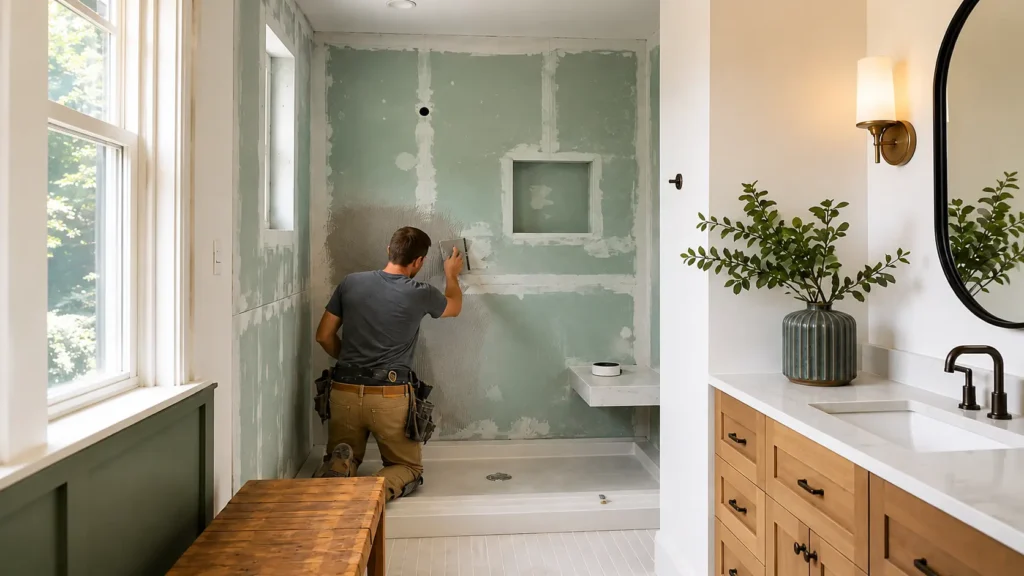
A bathroom that worked fine for years can become a real safety concern as a household changes. A high tub edge, a slick tile floor, or nothing solid to hold onto near the shower all become bigger issues as mobility needs shift over time.
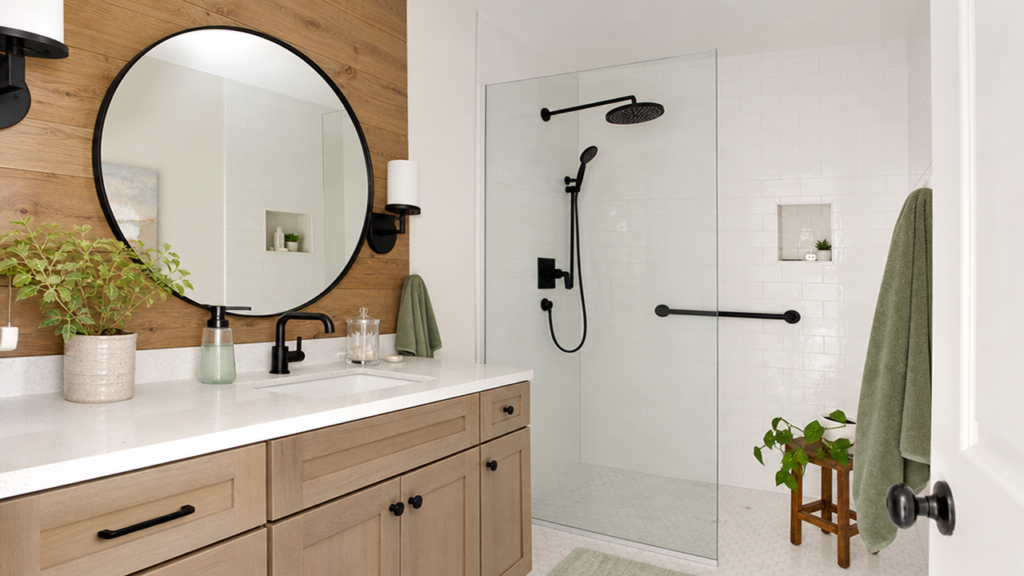
Comfort-height toilets, curbless showers, and well-placed grab bars address these concerns without making the room feel clinical, and they help the bathroom work for more of the people who use it, at more stages of life, from young kids to aging parents.
These changes tend to matter most in a home’s only full bathroom, where there is no easy way to avoid the space that no longer works well.
8. A Bathroom That Could Hold Back Resale Value
Buyers and their agents look closely at kitchens and bathrooms during a showing. A dated or poorly maintained bathroom can make an otherwise updated home feel unfinished, even when the rest of the house is in good shape.
One general figure worth knowing if resale is part of the decision: bathroom projects are consistently among the home improvements that recoup a meaningful share of their cost at resale.
Even homeowners who are not planning to sell soon often find that a remodel improves how the space is used every single day, not just how it appears to a future buyer.
What Older Cleveland Homes Add to the Picture
Northeast Ohio’s housing stock skews older than the national average, and that changes what a bathroom remodel usually involves once work actually begins.
Homes built before the 1960s across Cleveland, Kamm’s Corners, and neighboring West Side communities were often built with plaster over wood lath walls, and supply or drain lines in cast iron or galvanized steel rather than the materials used today.
Opening a wall for a bathroom remodel is often the first real look at what has been behind it for decades. Plaster that looks fine on the surface can be cracked or loose underneath, and old drain lines can be closer to the end of their service life than they appear from the outside. None of this is unusual for a home of this age. It is simply part of planning realistically for a remodel in an established Cleveland neighborhood.
Kamm’s Corners in particular is known for its mix of bungalows, ranches, and Tudor-style homes, many well over 80 years old, features that give the neighborhood much of its character. Bathrooms in these homes tend to be modest in size but built with real plaster work and original tile that reflects the era they were built in. A remodel that works with that character, rather than fighting it, usually gets the best result.
Because every wall, floor, and pipe run in a home like this carries its own history, a contractor familiar with Cleveland-era housing knows to plan for the unexpected rather than treat an older home like a blank slate. That kind of experience is part of what keeps a remodel on schedule once the walls come open.
Cuyahoga County alone includes dozens of municipalities, from Cleveland proper to Lakewood, Rocky River, and Parma, each with housing stock shaped by a different building era. That mix is part of what makes a one-size-fits-all approach to bathroom remodeling unrealistic across Northeast Ohio, and it is why a walkthrough of the actual space matters more than a generic checklist.
Locally, that experience adds up over time.
What Happens After You Notice the Signs
Once one or more of these signs shows up, the next step is usually a visit to see cabinets and materials in person and to talk through the space, the budget, and the timeline with a designer.
A budgetary estimate typically follows: a preliminary scope that helps narrow down which materials and finishes fit a realistic budget before any design work begins. From there, planning covers a paid in-home site visit, 3D renderings, and permit assistance where it applies.
Because separate permits commonly apply to general construction, plumbing, and electrical work, and each Northeast Ohio municipality runs its own building department and process, this is worth confirming early rather than assuming the same rule applies everywhere in the region. The City of Cleveland’s Department of Building and Housing, for example, requires a residential permit for plumbing, electrical, and structural changes, along with a homeowner’s affidavit when the homeowner is not using a registered contractor.
Materials chosen during this stage typically carry manufacturer warranties, and the installation itself is backed separately by a workmanship warranty, so homeowners have coverage on both the products selected and the labor that goes into fitting them. Financing options are also available for homeowners who prefer to spread the cost of a project over time rather than pay for it all at once.
Once permits and planning are settled, project management and interior design bring the trades together, with one point of contact coordinating vendors, scheduling, and budget along the way. Installation follows, with quality control checks and a final walkthrough once the work is done.
Homeowners weighing bathroom remodeling against a smaller, piecemeal fix often find that seeing the full picture, plumbing, layout, and finishes together, makes the decision easier. A project that addresses the cause of a problem tends to hold up longer than one that only treats what is visible on the surface.
Cleveland Cabinets Serving the Kamm’s Corners Community and Beyond in Cleveland
Cleveland Cabinets works with homeowners throughout Kamm’s Corners and the wider Cleveland, Ohio area, not far from Big Met Golf Course near the crossing of Wooster Rd and Lorain Rd (41.4515471, -81.8346727). The neighborhood’s mix of older bungalows and newer updates means every project brings its own set of details worth planning for. Homeowners across the area turn to bathroom remodeling services when small issues start adding up, and many are searching for bathroom remodeling Cleveland options close to home.
Get Bathroom Remodeling Kamm’s Corners Services Now
Navigate from Kamm’s Corners to Cleveland Cabinets Now
Frequently Asked Questions
How do I know if my bathroom needs a full remodel instead of a repair?
If the same problem keeps returning after repairs, recurring mold, repeated plumbing leaks, or tile that cracks again after patching, the underlying cause is usually something a spot repair cannot reach. A full remodel addresses the cause rather than the symptom, which is often why the same issue keeps coming back after a quick fix.
Do I need a permit for bathroom remodeling in Cleveland?
In most cases, yes. Plumbing, electrical, and structural changes typically require separate permits from the City of Cleveland’s Department of Building and Housing, and if a home sits in a different municipality, that city’s building department sets its own process. Confirming this early avoids delays once work is underway, since inspections are usually scheduled at specific stages of the project rather than only at the end.
How long does bathroom remodeling take?
Timelines vary by scope, the condition of what is behind the walls, and how many trades are involved. Older homes sometimes reveal additional work once demolition starts, which can affect the schedule. A showroom visit and a budgetary estimate are the best way to get a realistic timeline for a specific project.
Can bathroom remodeling help a Cleveland home sell faster?
Bathrooms are one of the areas buyers and agents look at closely during a showing. Addressing visible wear, outdated finishes, and layout issues before listing can make a home feel more move-in ready and can help it stand out among other listings in the same price range.
What is the first step in Cleveland bathroom remodeling?
The process starts with a visit to see cabinets and materials in person and to talk through the space, the budget, and the timeline with a designer, before any design work or budgetary estimate begins.